
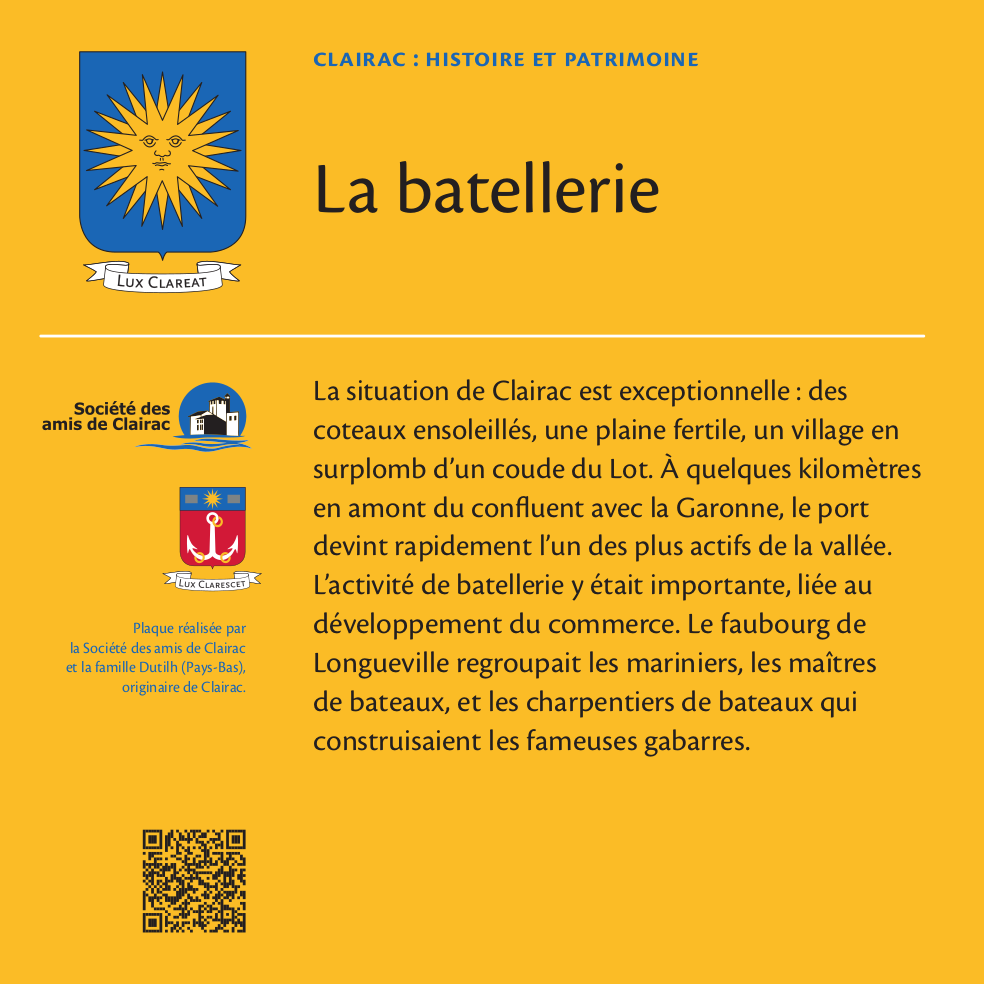
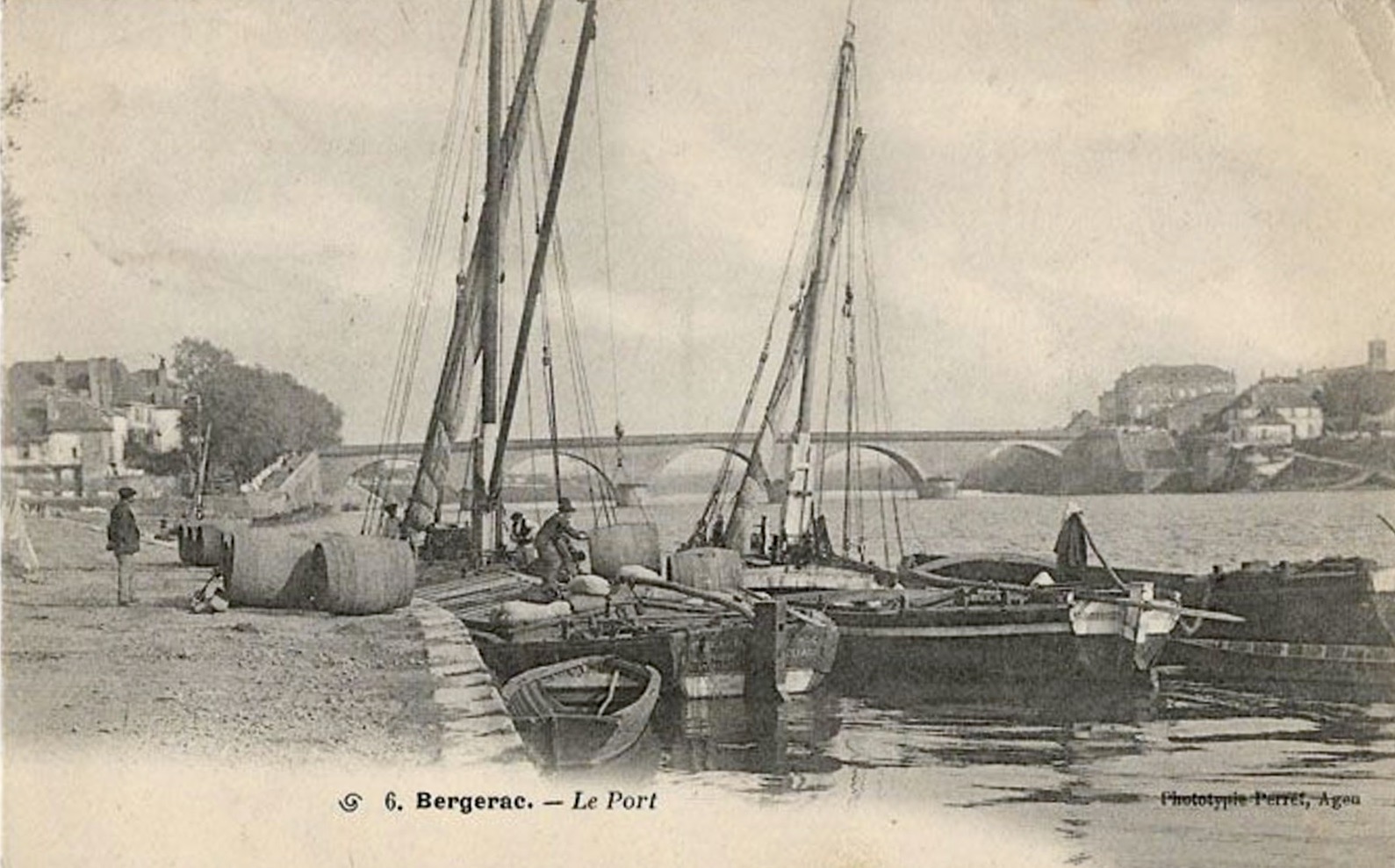
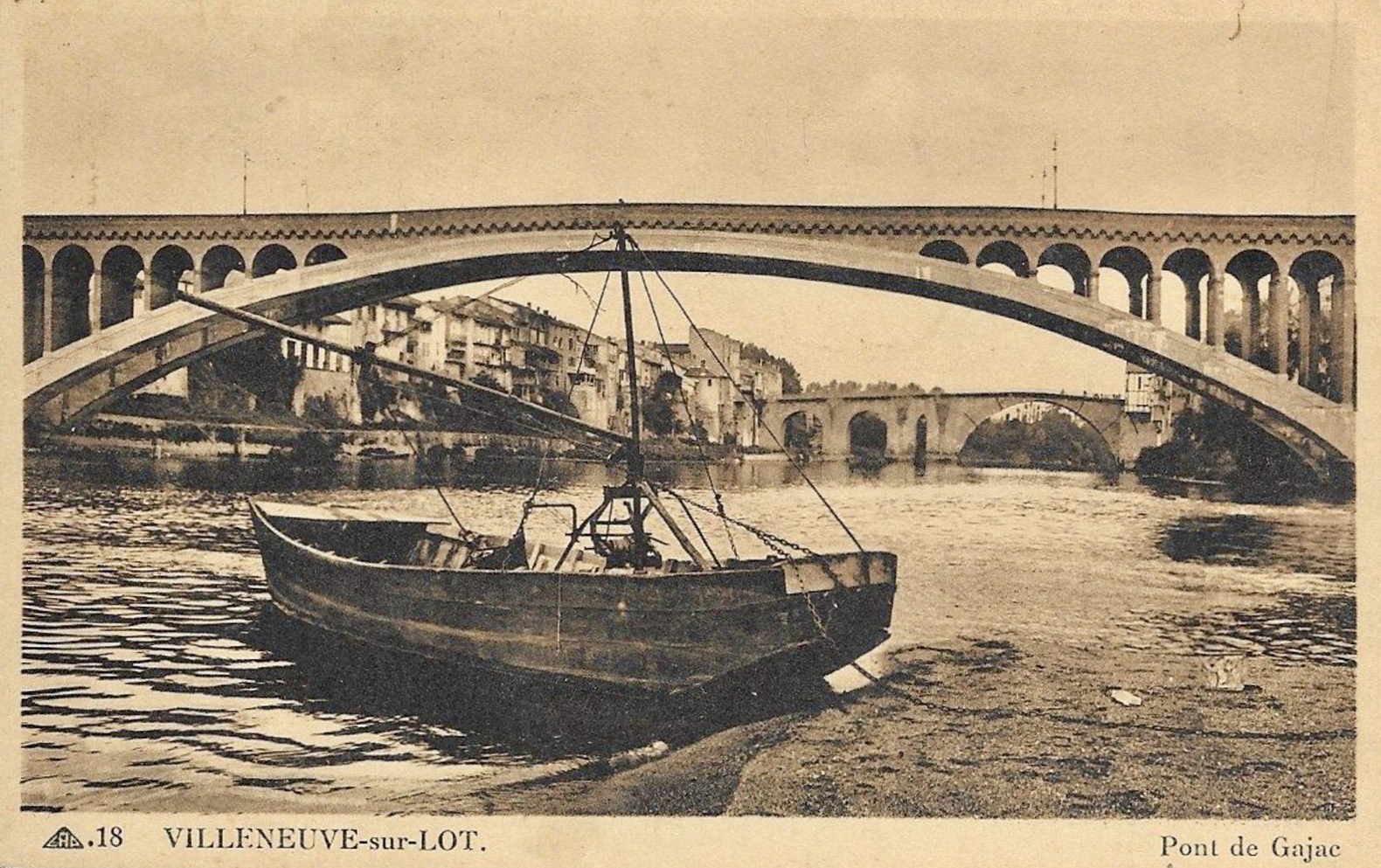
The boats used by the people of the river are commonly called “gabarres”. They are sailing boats, pulled by oxen against the current. In 1760, the Bonnail brothers bought four boats from Bertrand Allègre with their tackle, mast, rudder and two small boats attached to the larger ones and called gabarrots.
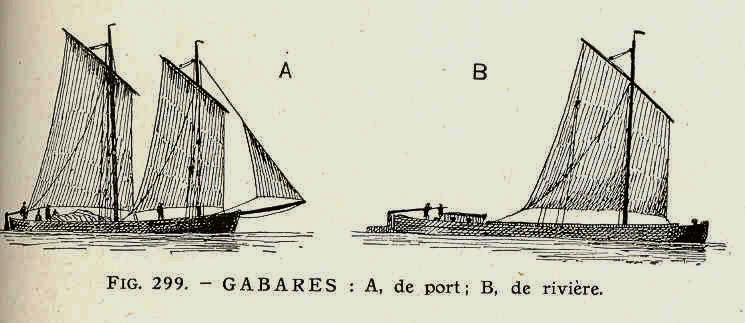
The gabarres were made in Clairac but it sometimes happened that they were bought in Quercy and lowered by the boatmen in their own boat; they then put a boat in the other one and thus did without a second driver.
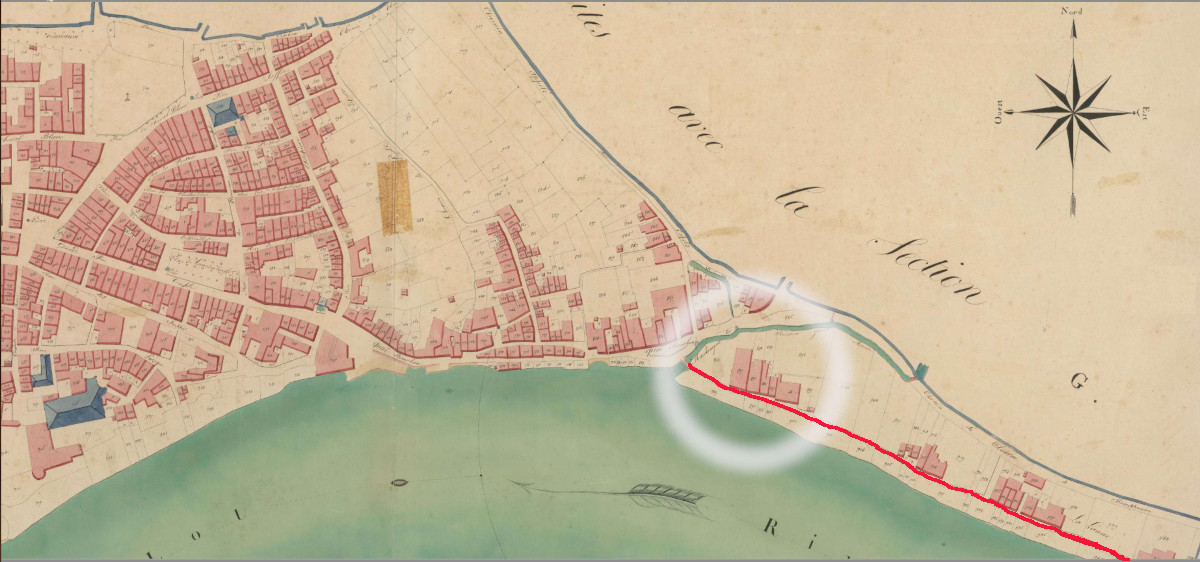
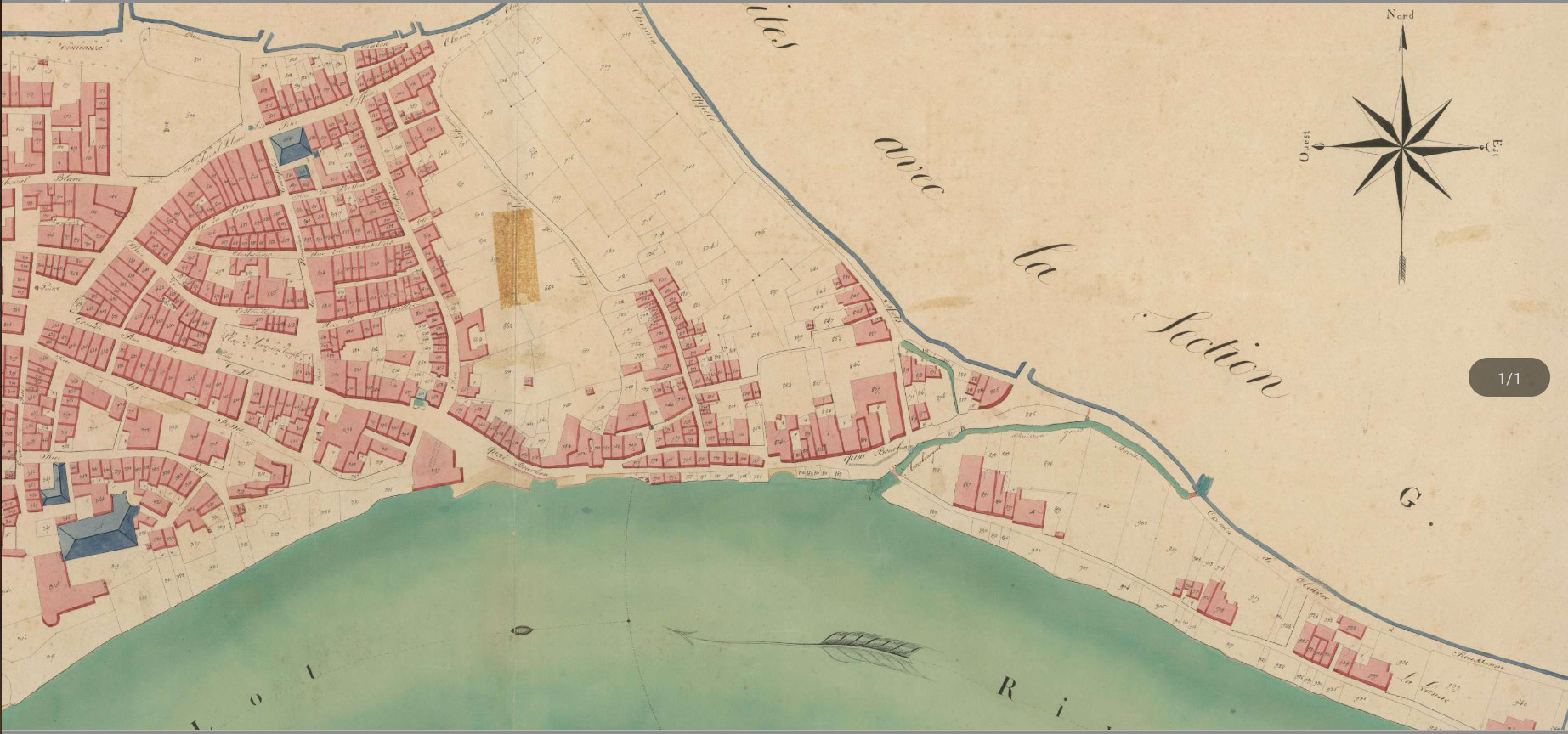
Upstream from Clairac, on the right bank of the Lot, is the suburb of Maubourguet, the second suburb of the river people, which sheltered a large number of coopers. It is on this bank that the towpath from Clairac to Castelmoron was located, whereas to get to Aiguillon the towpath was on the left bank, at Longueville.
The Lot was known to be a violent and difficult to tame river. It took two to three days to get down to Bordeaux.
In 1637, Paolo Garganti, canon of the Saint-Jean-de-Latran chapter of Rome, lord-abbot of Clairac, returning from Bordeaux in August by boat, had the misfortune of being shipwrecked and almost drowned at the mill of Caillan Rouy, near the town of Mas-d'Agenais.
In November 1752, Joseph Borderie, a young man of 16, wrote to his parents: “After two days and two nights of anxiety and suffering, God gave me the grace to arrive in Bordeaux... we ran aground three or four times and were forced to dismount and pull the rope to free our boat, which caused us all the more delay”.
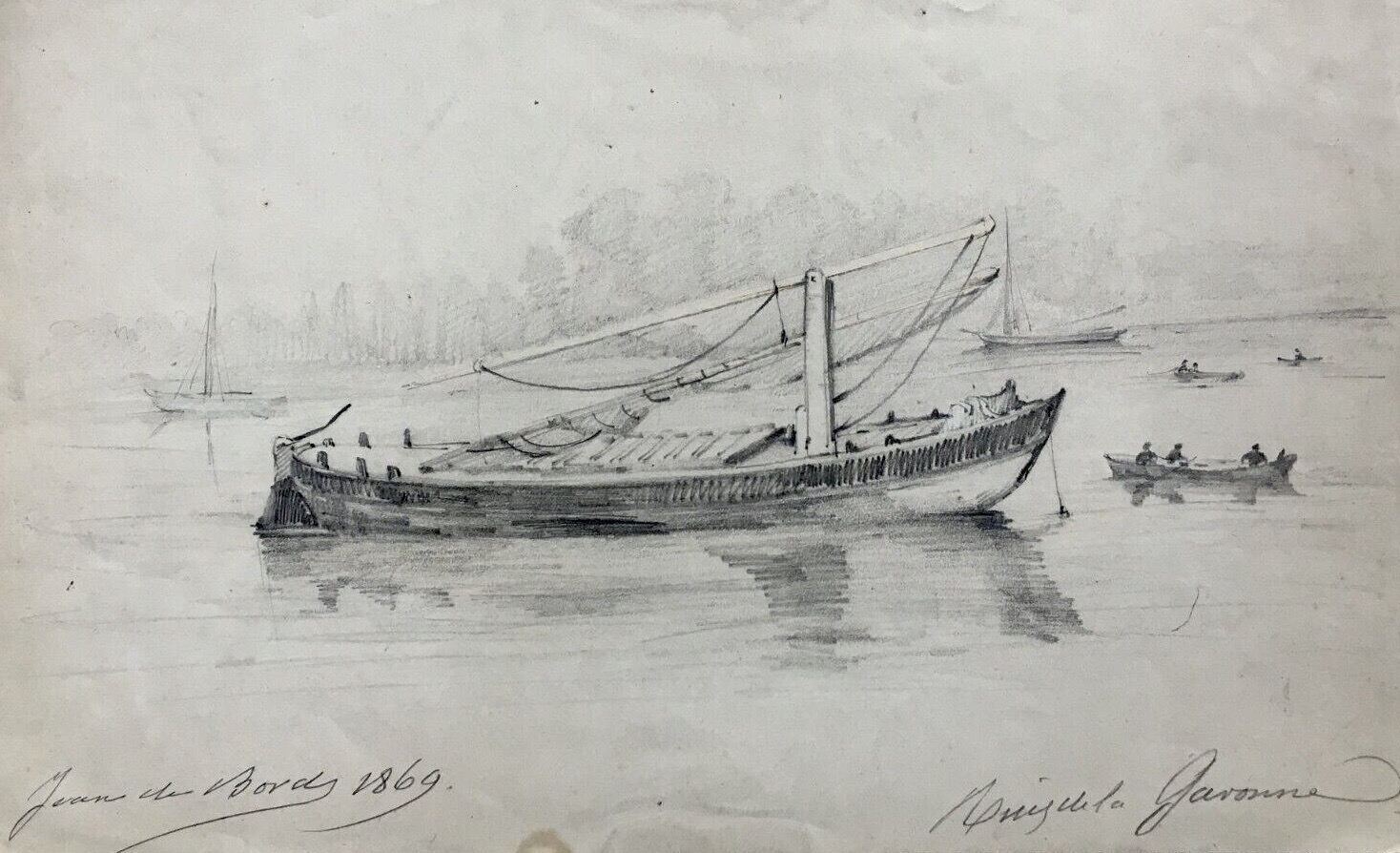
Despite the many development works, the Lot remained capricious. Navigation, linked to the rhythm of the seasons, was limited to 5 months of the year.
On the descent, from Auvergne transited wood and cheese; from Rouergue, paper, copper and merrain; from Quercy, wheat, wine, fruit; At the “ascent” the boatmen brought back salt, fish, sugar, coffee, pepper, nutmeg. And, according to requests, Indians, soap, lead and alum.
The Clairacais boatmen went up the Lot to Entraygues (Aveyron), and by the Garonne to Port-la-Nouvelle, near Narbonne, when the Canal du Midi was built. They also went up the Baïse, picking up freight from the nearest and farthest ports. The descent was as far as Blaye, but the Quai des Salinières in Bordeaux was their usual mooring port.
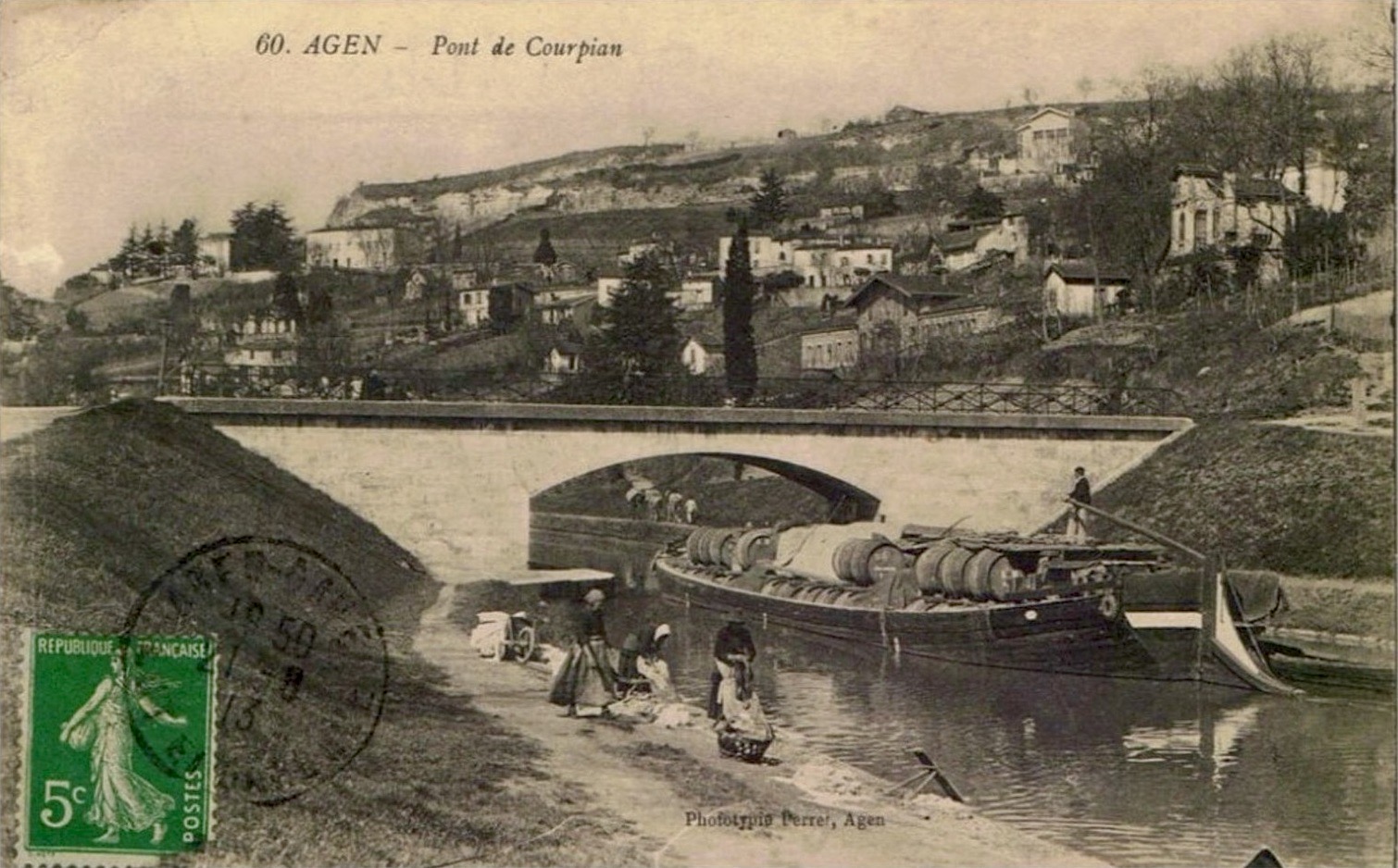
During periods of port inactivity, the boatmen did not remain idle; they were strong, well-built men, and they occupied themselves with other work. Equipped with ox carts, mules or horses, they went to get the freight on land during the dry season because in the rainy season no path was passable, the soil being very clayey and greasy. They thus went as far as Duras, Monclar, Villeréal, transporting wheat, wine, brandy, plums, tobacco, etc.
On land as on water they transported goods.
Many were those who, during periods of unemployment, hired themselves from the bourgeois, owners of the most important vineyards, for the harvest and the pruning of the vines; the owners also always counted on the support of this seasonal workforce, a good part of which was also provided by the hatters.
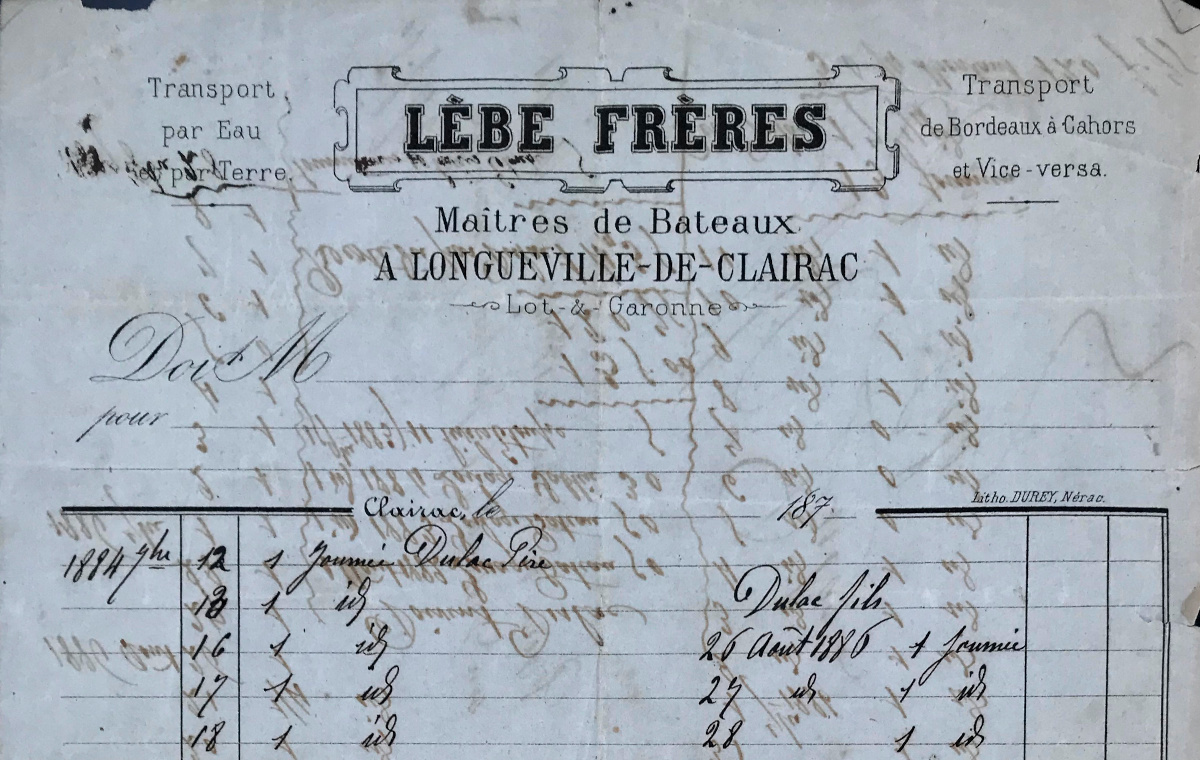
The transport of goods was not the only activity from which the Clairacais skippers benefited: it is necessary to add to it the postal service and the ferries. A lease for the post office reveals that in 1645 the boat, leased by two merchants from Clairac, carried mail and passenger traffic between the Port of Jacquet, at the end of the jurisdiction of Clairac ( this was the port of Laparade) to the city of Bordeaux.
Between 1675 and 1790, there were in Clairac:
19 sailors (years 1771 to 1793)
15 boatmen (years 1675-1780)
34 shipwrights (1699-1780)
60 sailors (1699-1780)
86 shipmasters (1675-1790)
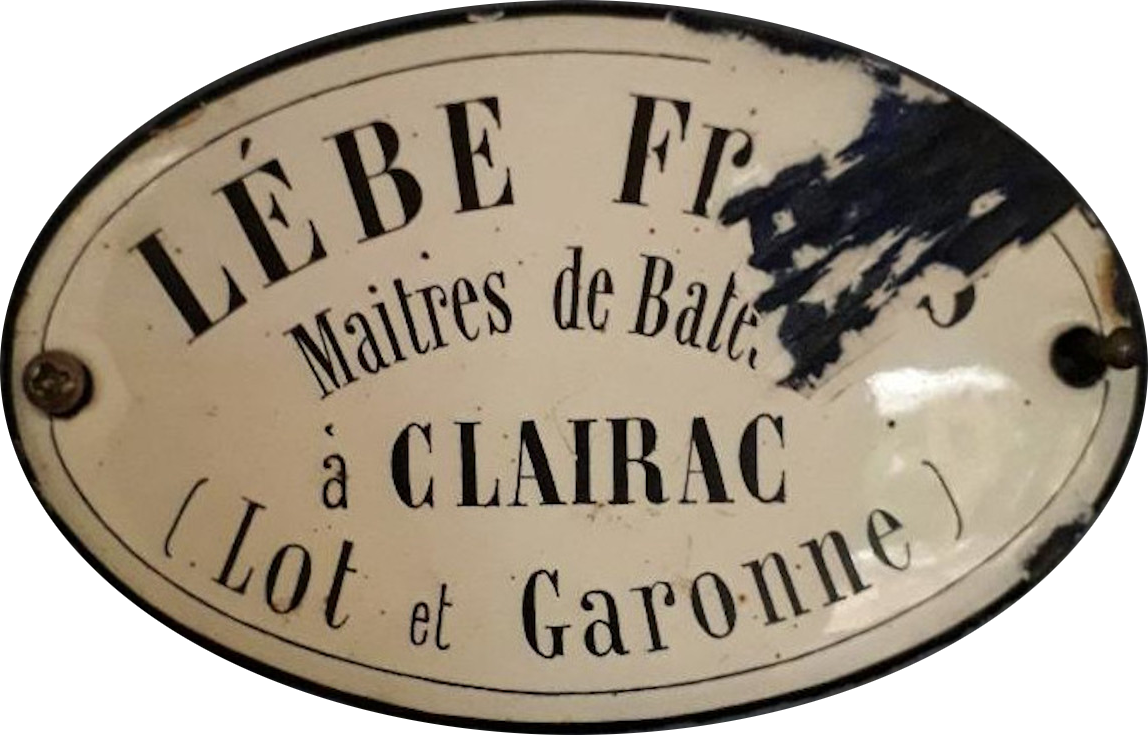
In addition, since the end of the 17th century, there has been a new profession, that of lockkeeper. Vauban had replaced the passelis (it was a sort of wooden inclined plane where boats were slid to pass the Clairac dam), attested from 1187 in the municipal archives, by a lock 5 meters wide, in freestone, located on the left bank, in Longueville, between the dam and the mill.
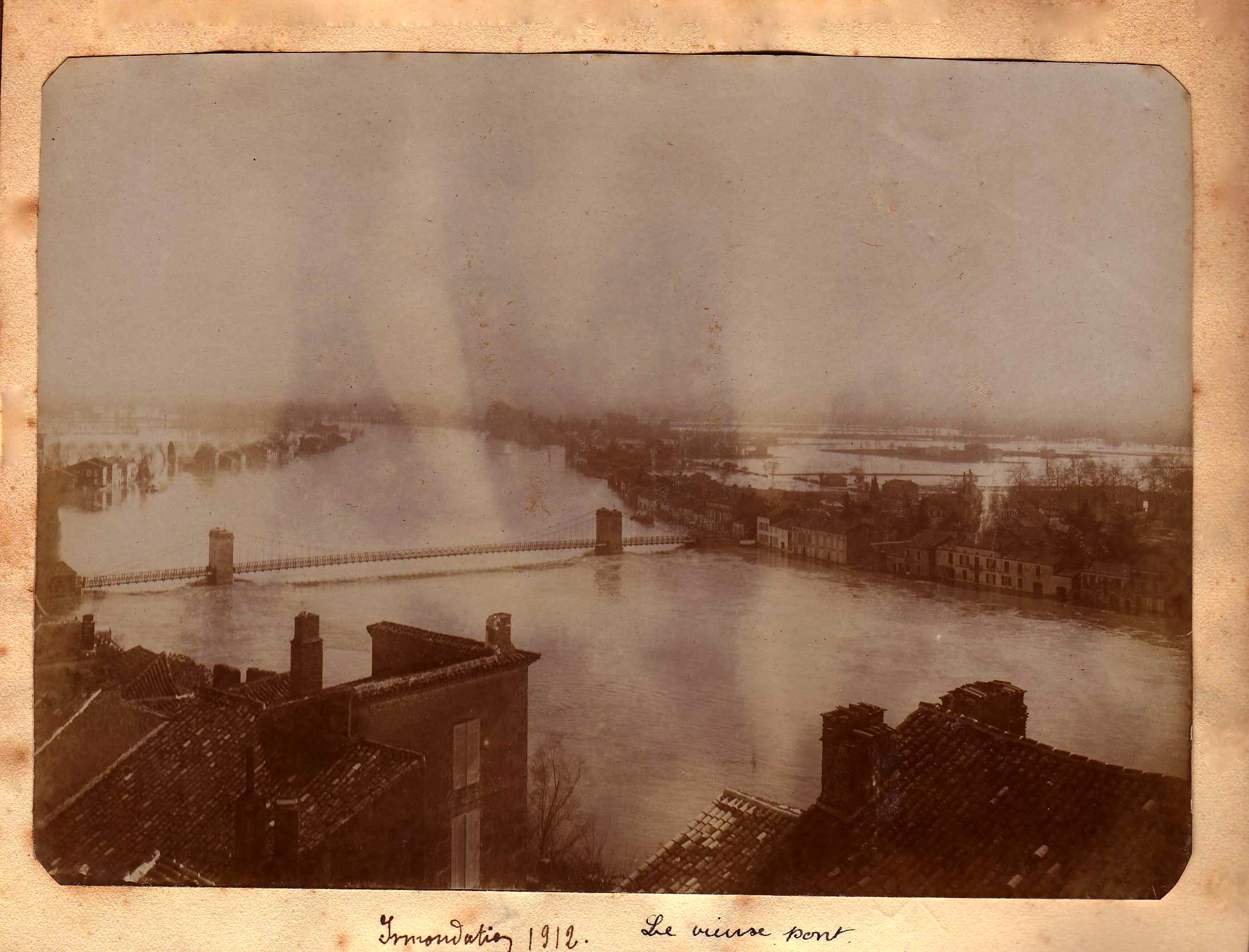
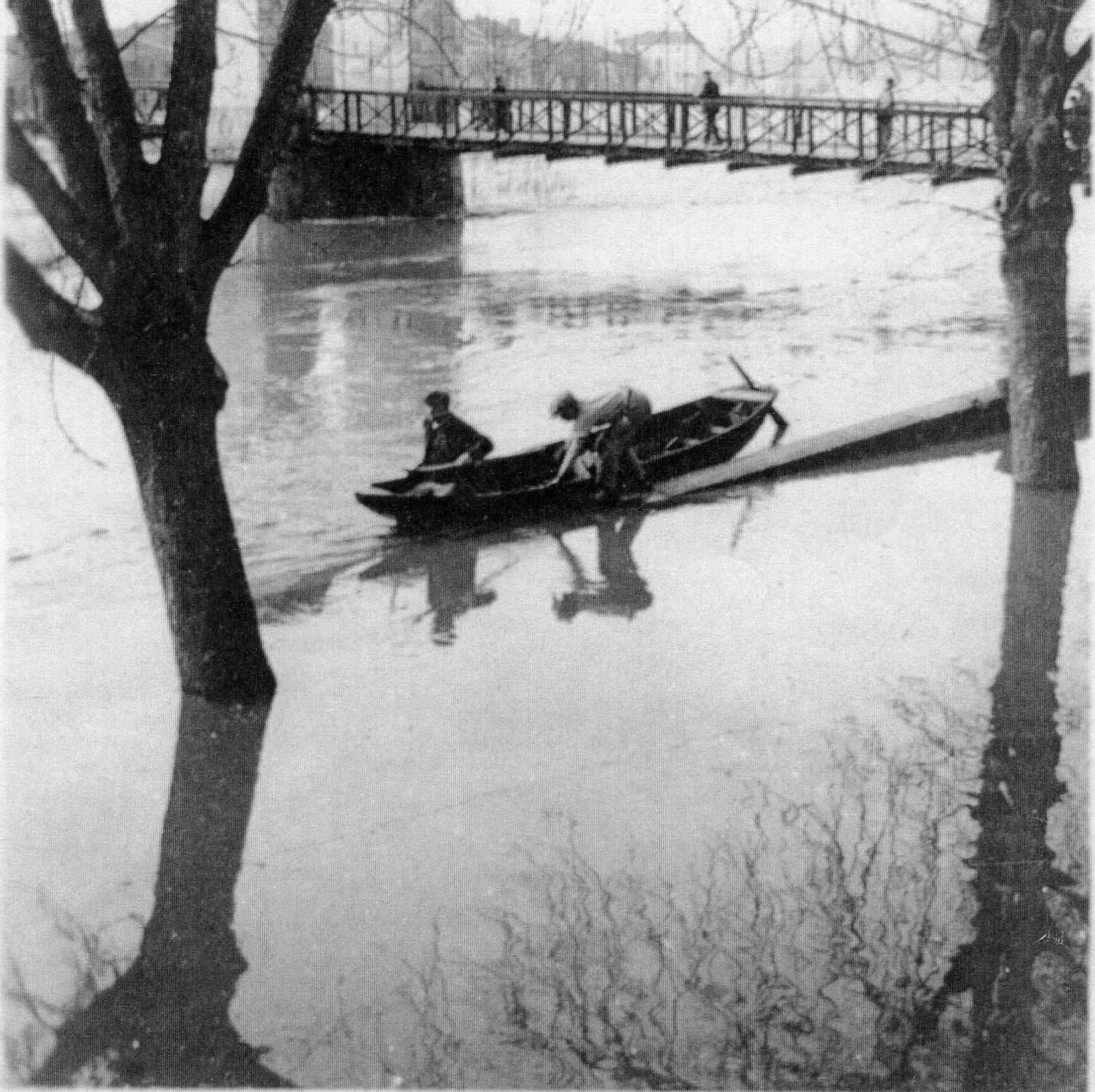
The floods have left terrifying memories in the collective memory: “We saw uprooted trees, beams, rafters, tons and barrels, furniture of all kinds, carts, even humans passing by at every moment. surprised in barns and dwellings” (1770, letter from the count of Lacépède).
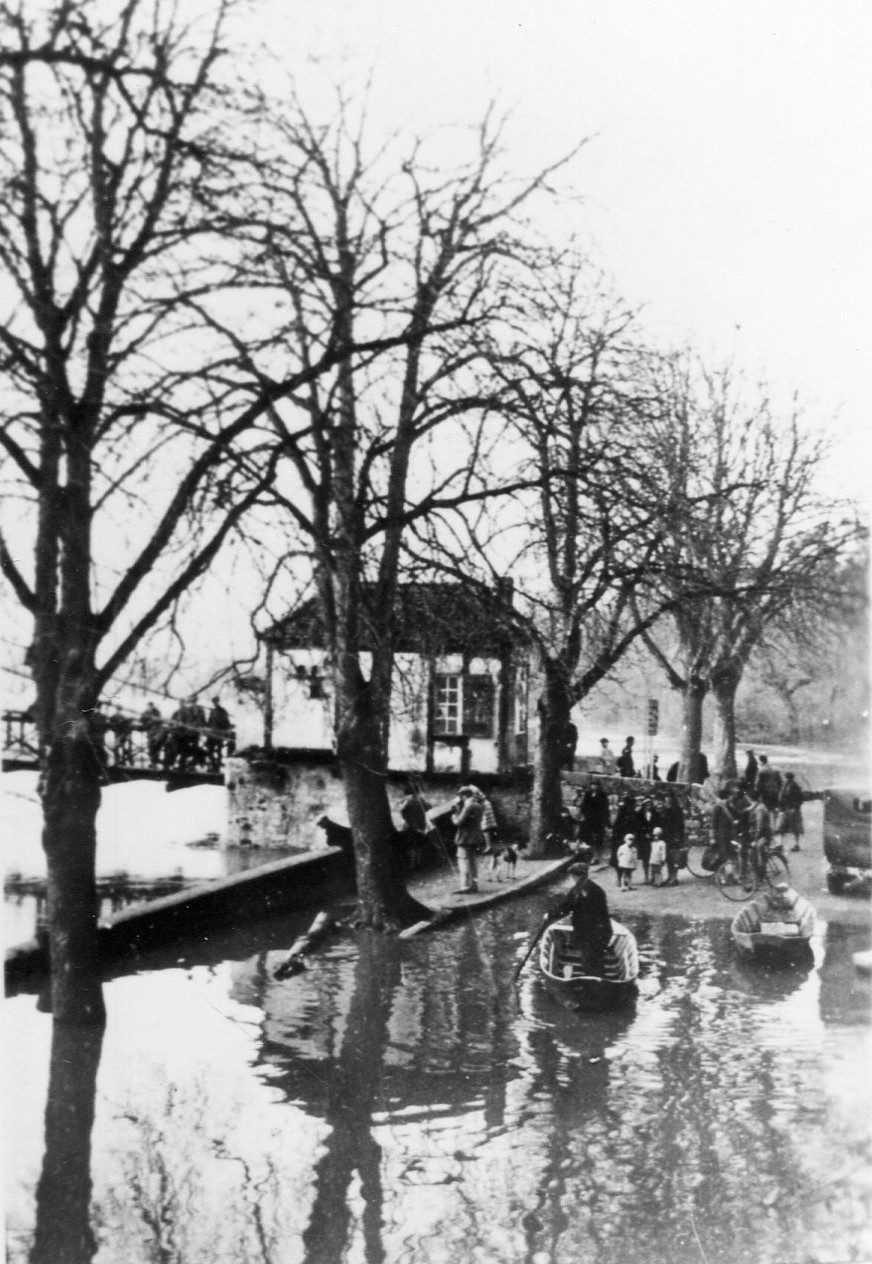
In Villeneuvois, the flood of 1917 took the name of “pumpkin flood” : thunderstorms had devastated the market gardens of Cahors and the Lot had carried off cords of pumpkins as far as Casseneuil, which everyone enjoyed.
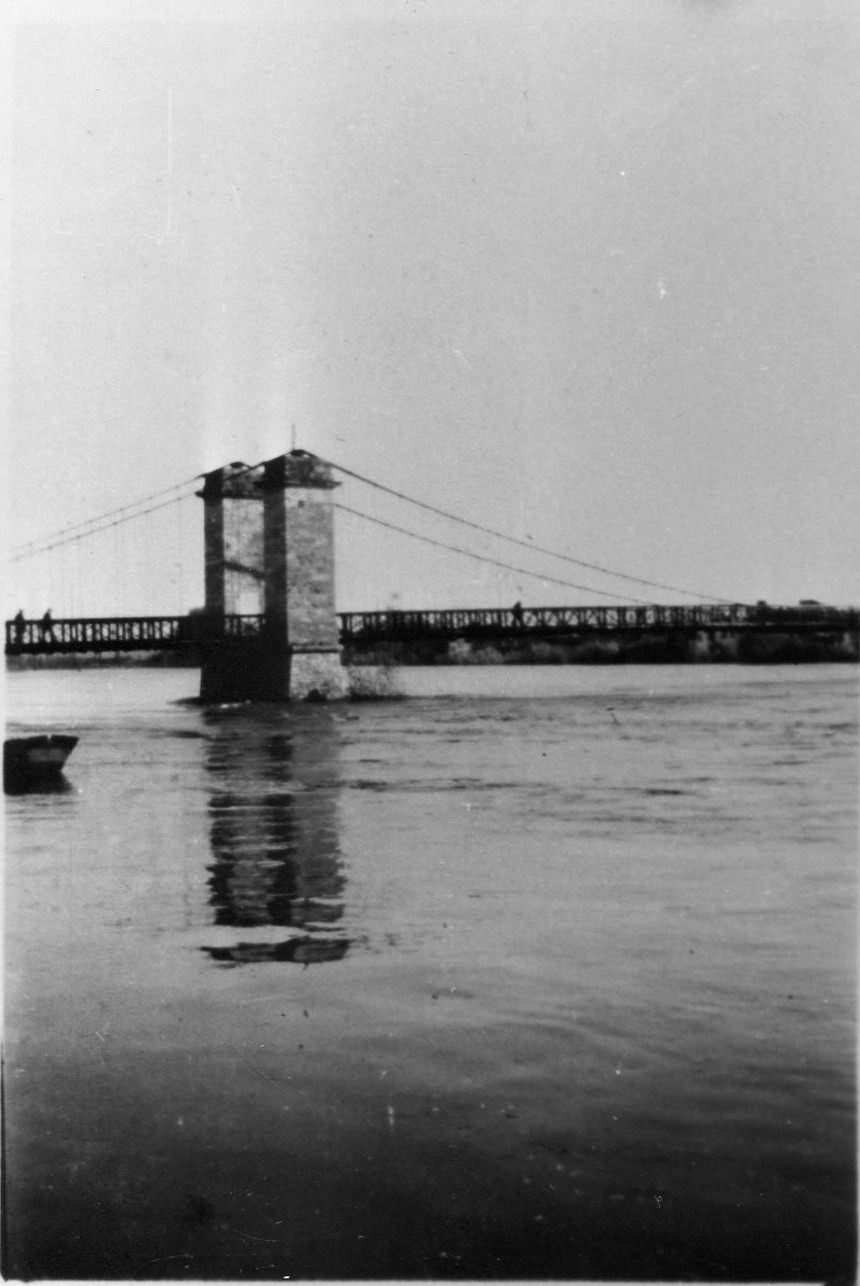
That of January 1927 reached 16 meters high in Villeneuve. It was so important that it drowned the electrical plant of the Gajac mill.
Adapted from the text by Claude Martin: Recherches sur la navigation et les gens de rivière à Clairac aux XVIIe et XVIIIe siècles. « Revue de l’Agenais », Agen, 1978, p. 13-29.