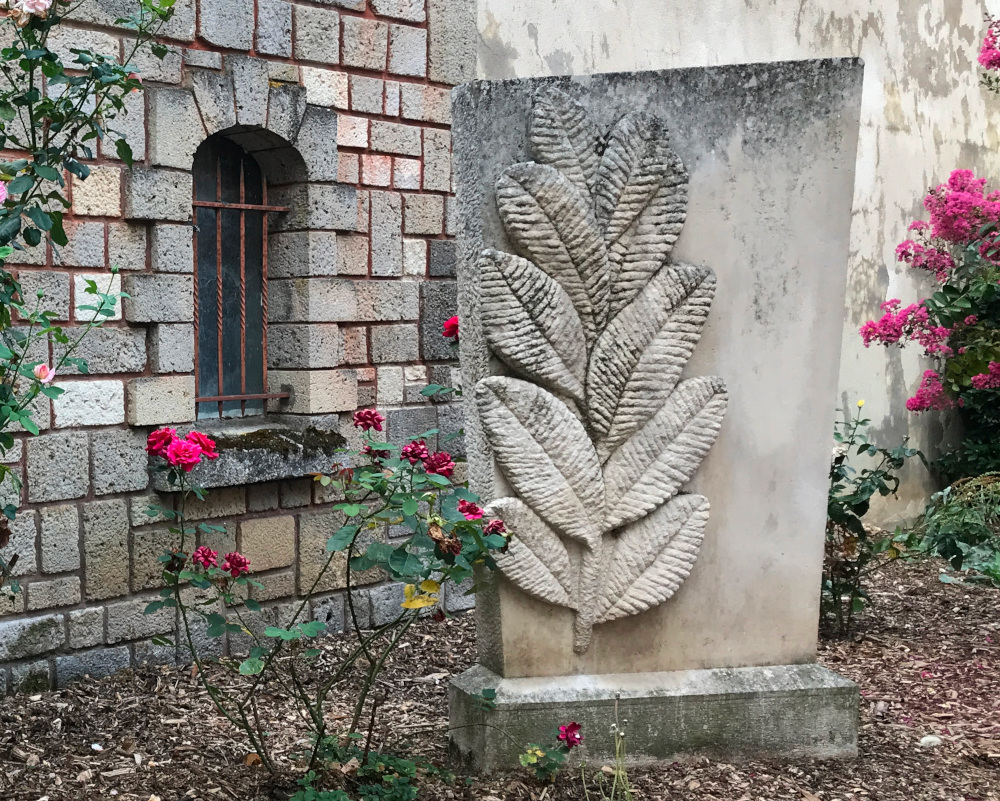
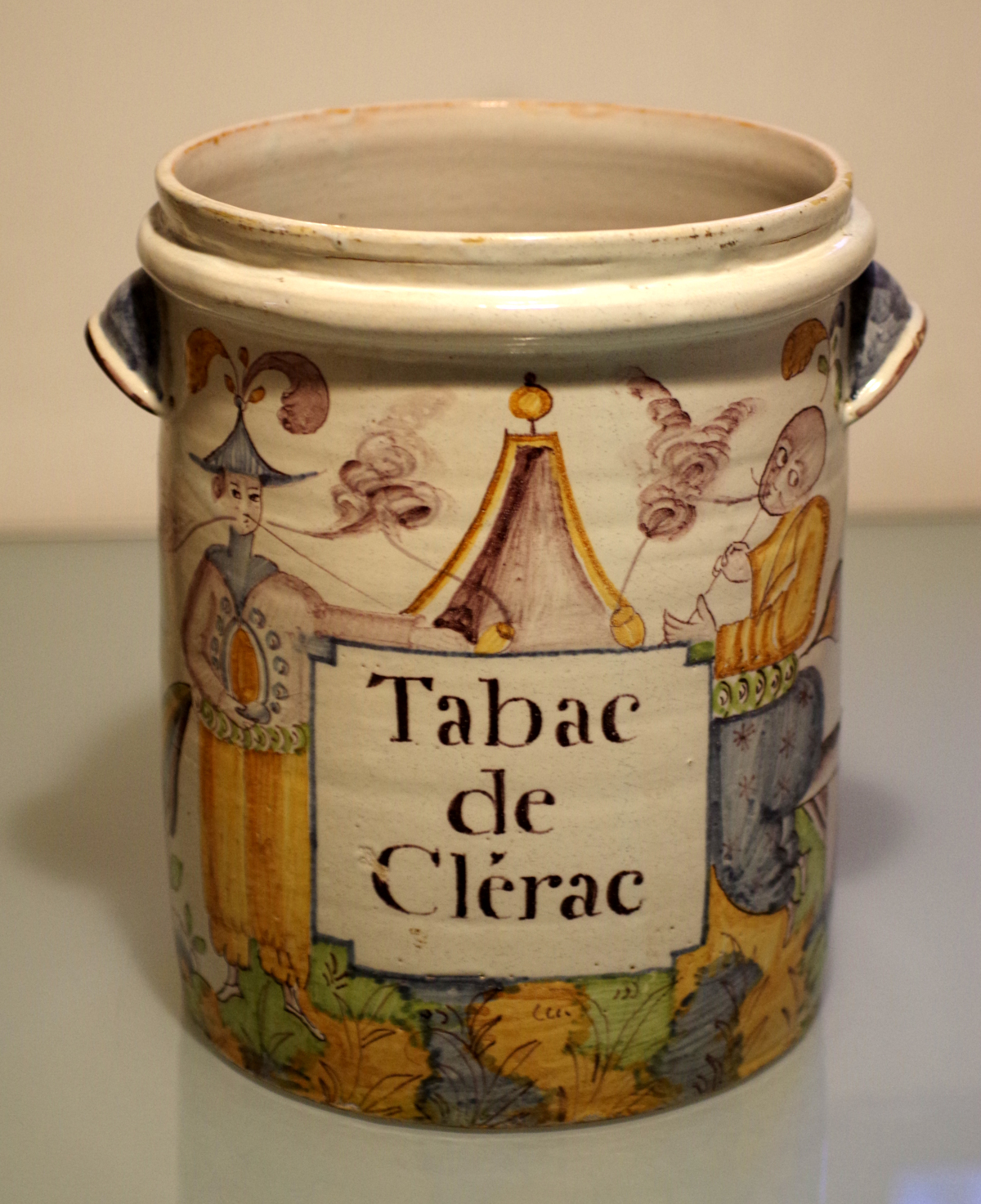
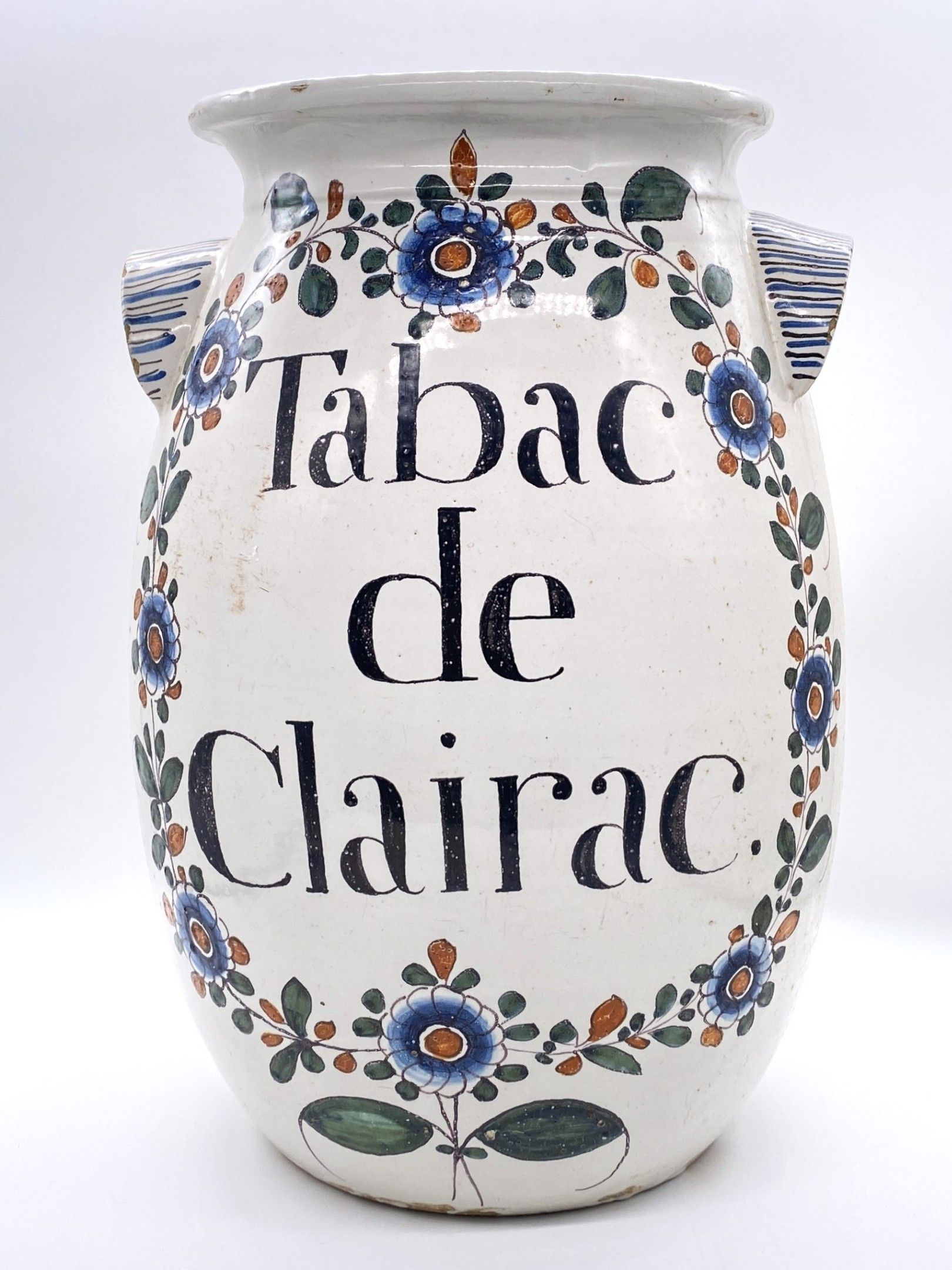
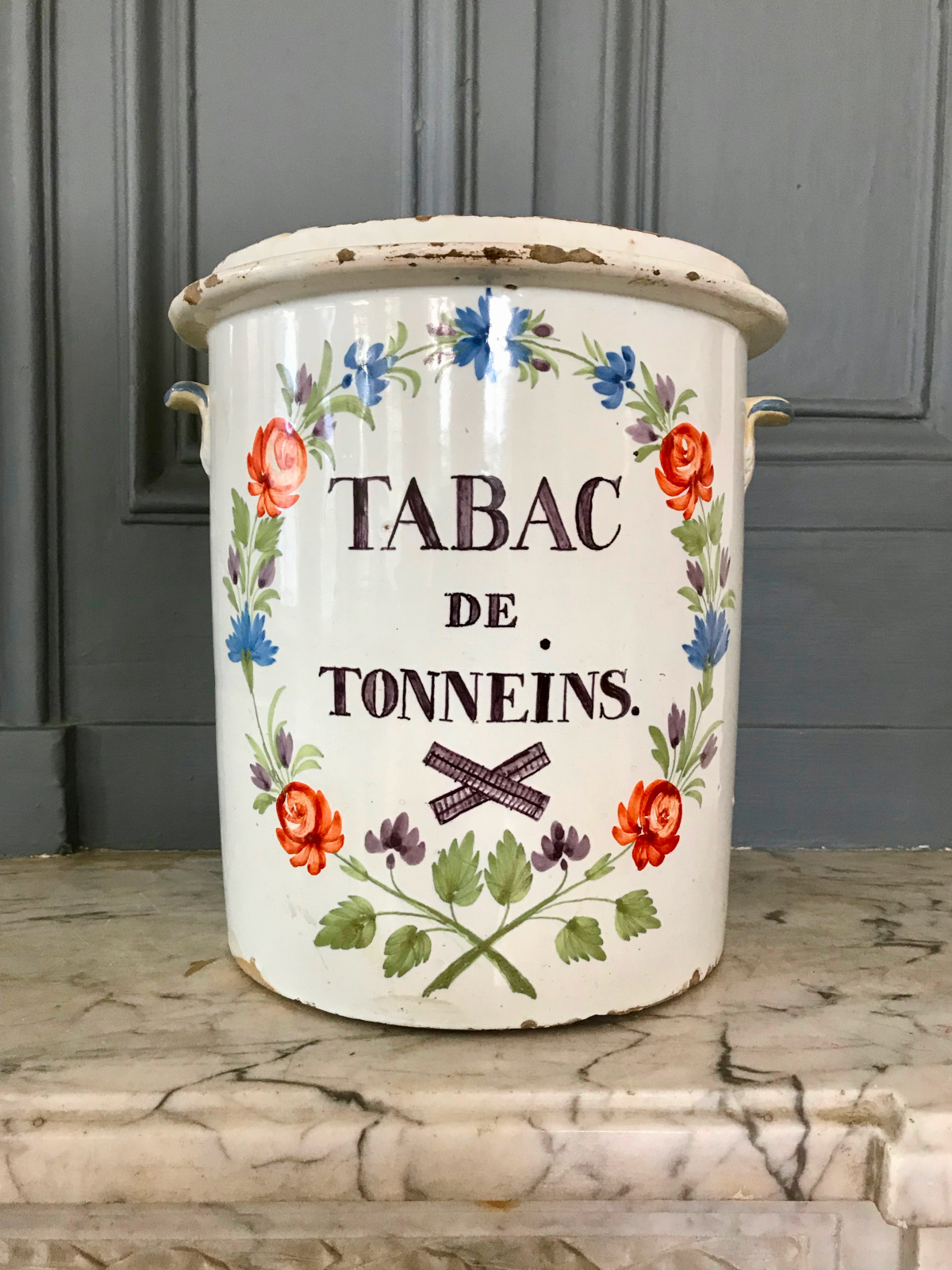
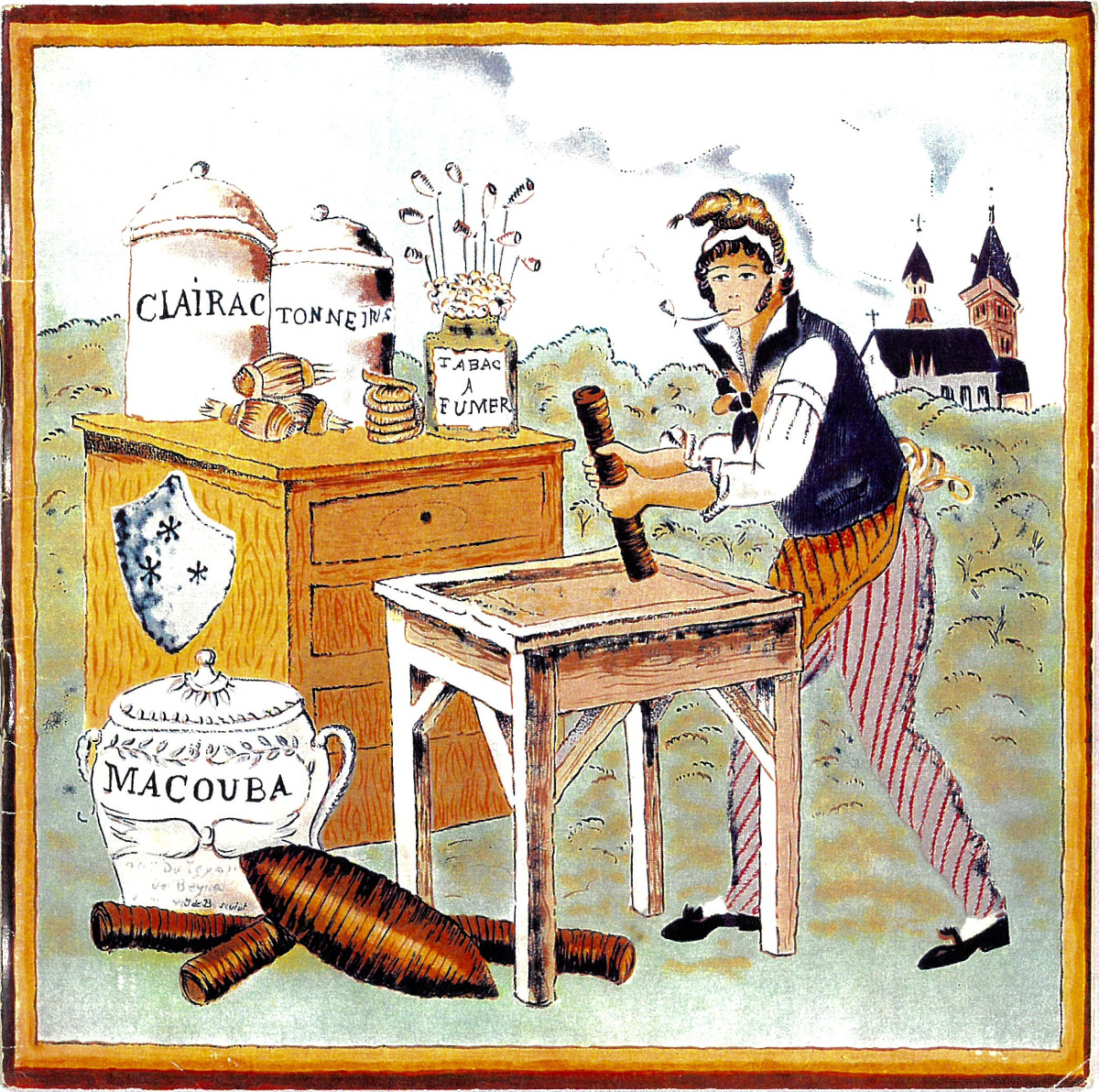
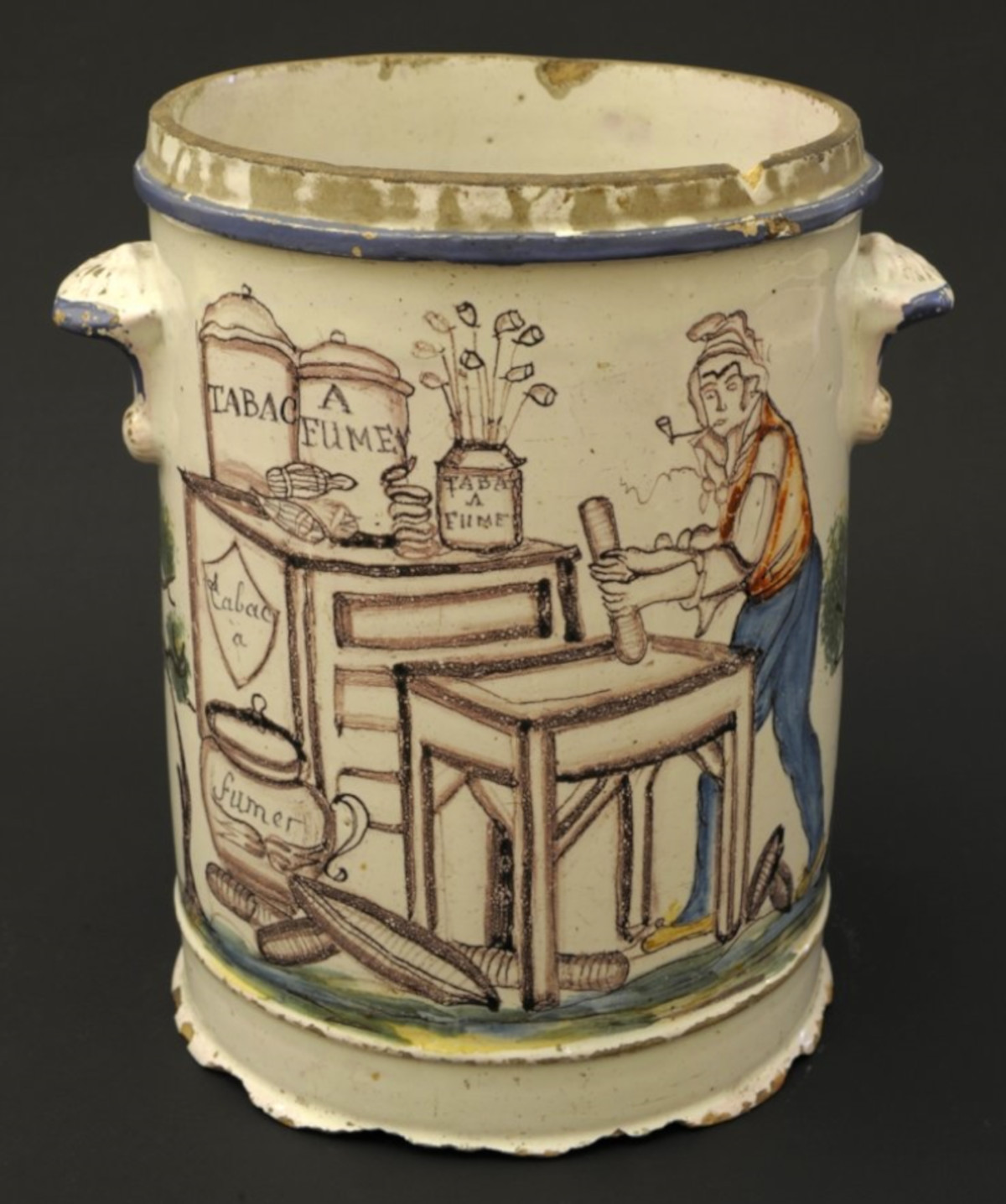
It is in Clairac, it is said, that tobacco, or thobac, was cultivated in a systematic way, acclimatized by the monks to the Lot valley. From the beginning of the 17th century, it became - along with the vine - one of the major resources of the town. Known as “Clérac”, it was sold throughout the kingdom. In the 18th century, some workers left for Virginia to export their know-how. In the 20th century, it was for a long time an asset for the local economy. In the surrounding countryside, you can still see the characteristic sheds that were used for drying it. Sculpted by Roger Douniès, his pupil Livio De Nadaï and Jean-Claude Douniès, the monument erected in memory of tobacco reminds us of the importance of this crop.
Plaque affixed to Place Montesquieu, on the Rue des Couteliers side.
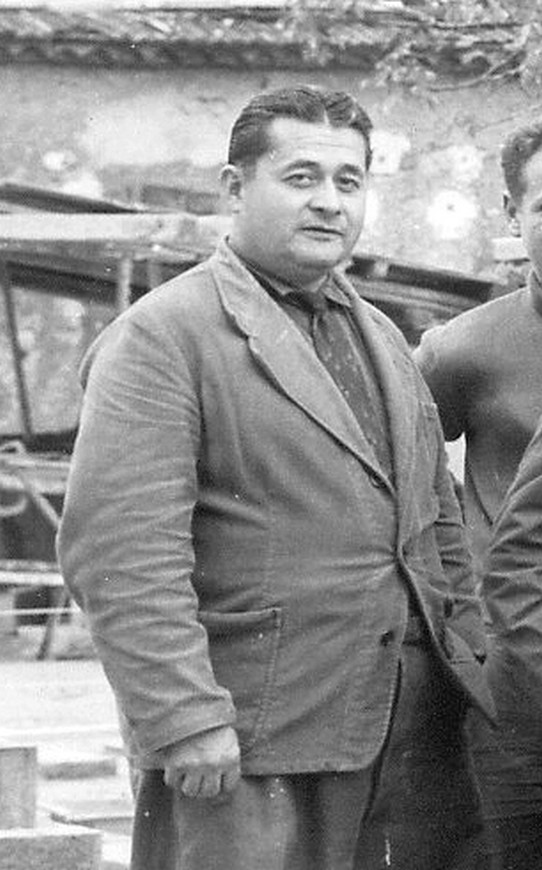
In the early 60's, Roger Douniès was teaching masonry at the Clairac training center located in the abbey grounds.
Roger Douniès.
Roger Douniès.
Tobacco plant sculpted by Roger Douniès and his students.
Tobacco plant sculpted by Roger Douniès and his students.
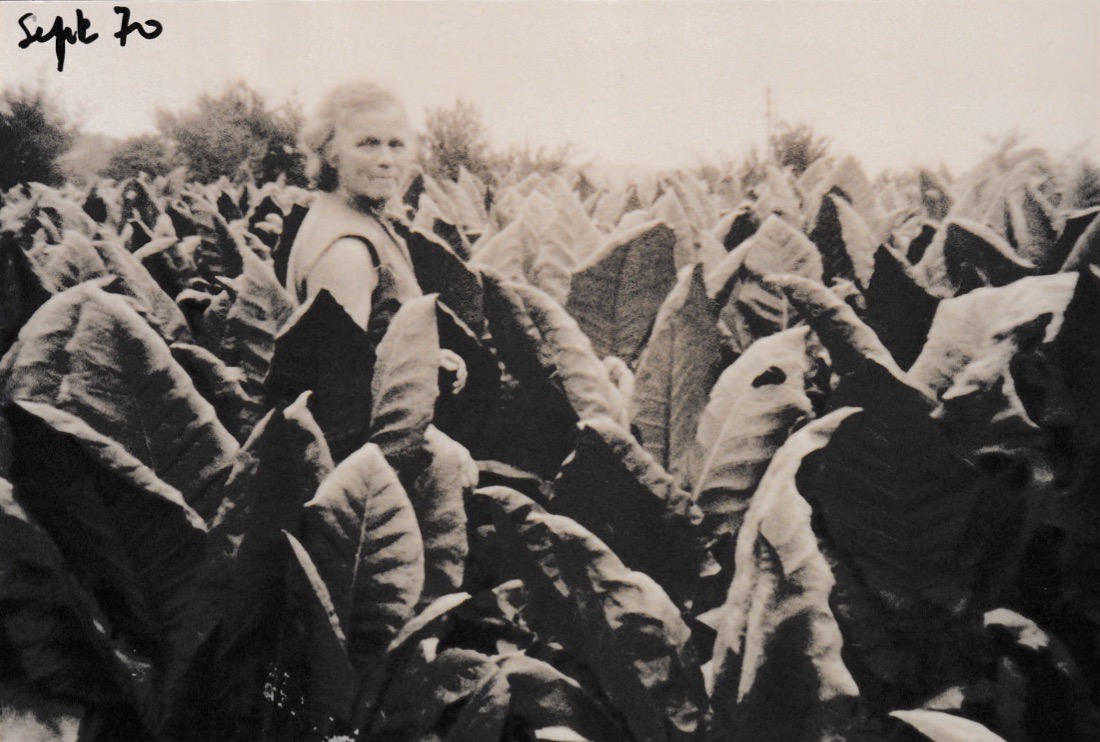
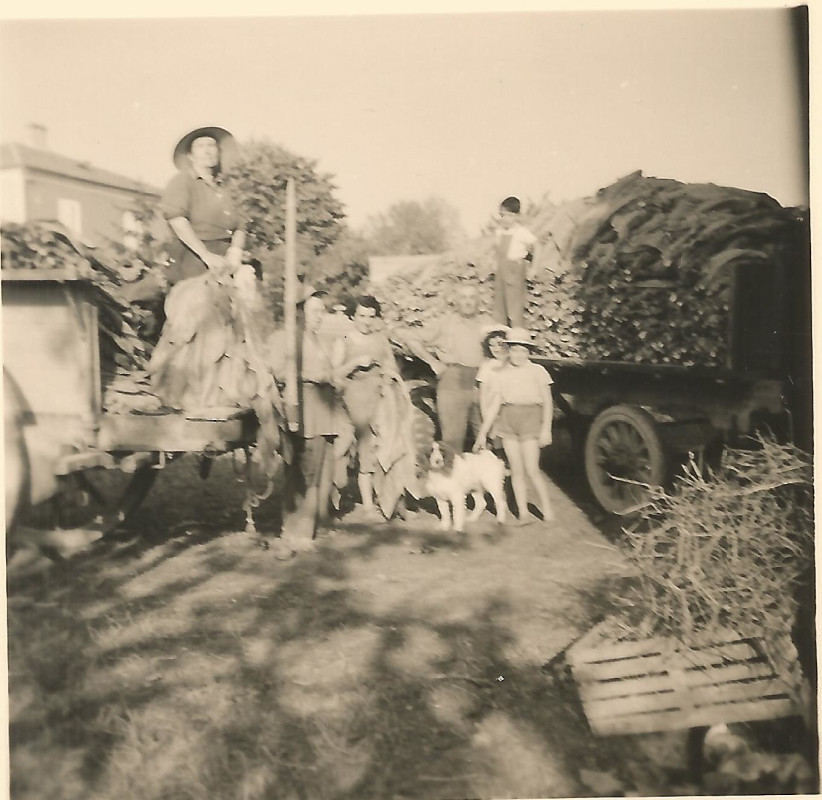
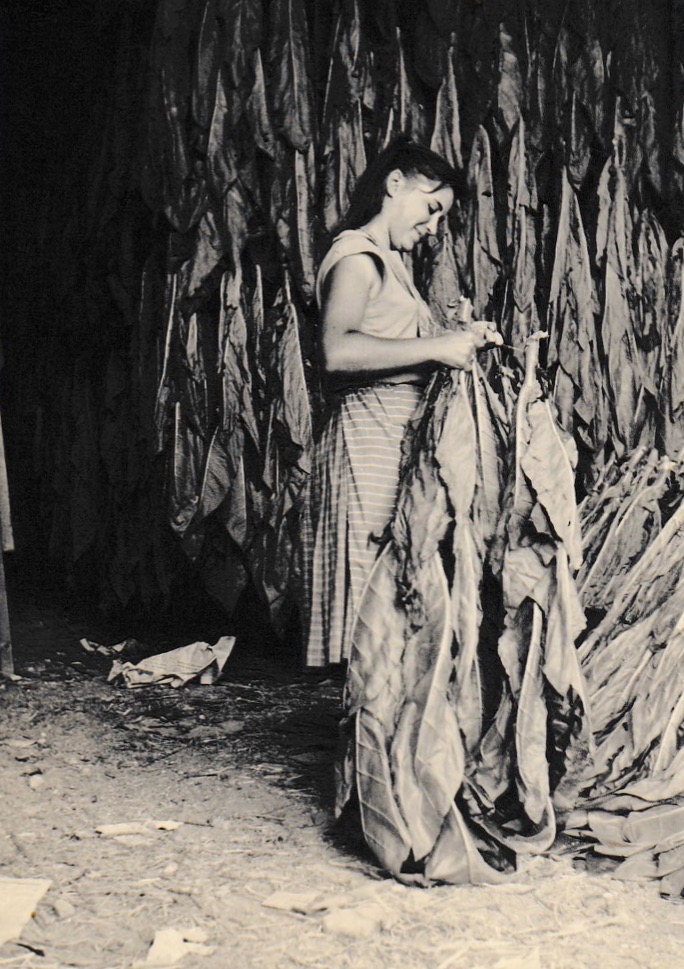
Tobacco was a family affair and occupied young and old throughout the year....
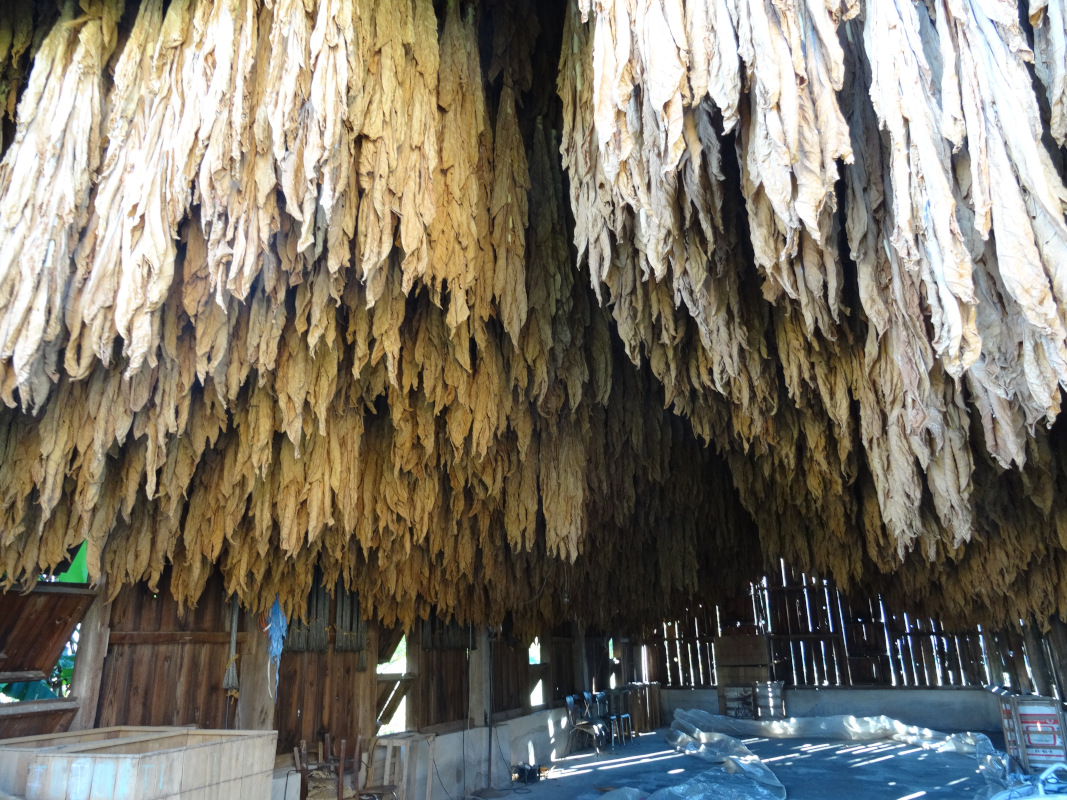
The leaves are hung upside down inside ventilated dryers.
The leaves are hung upside down inside ventilated dryers.
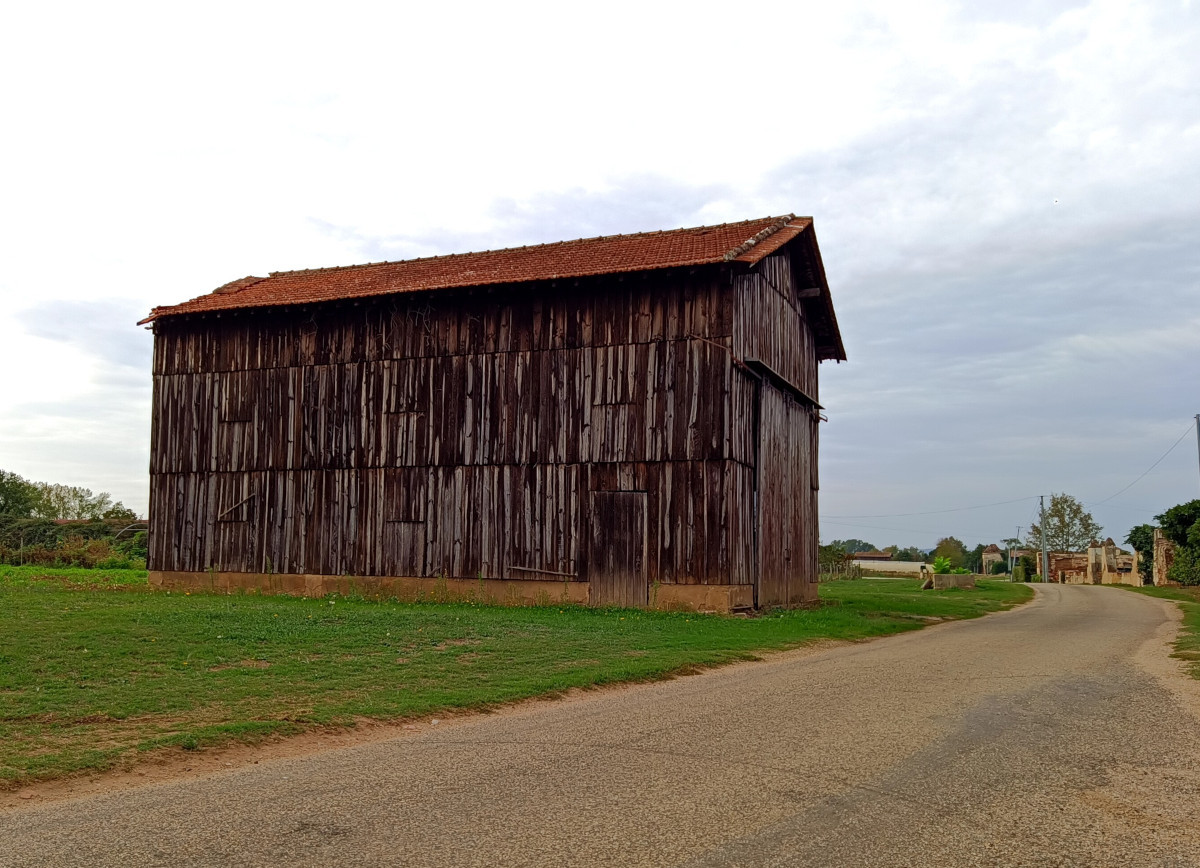
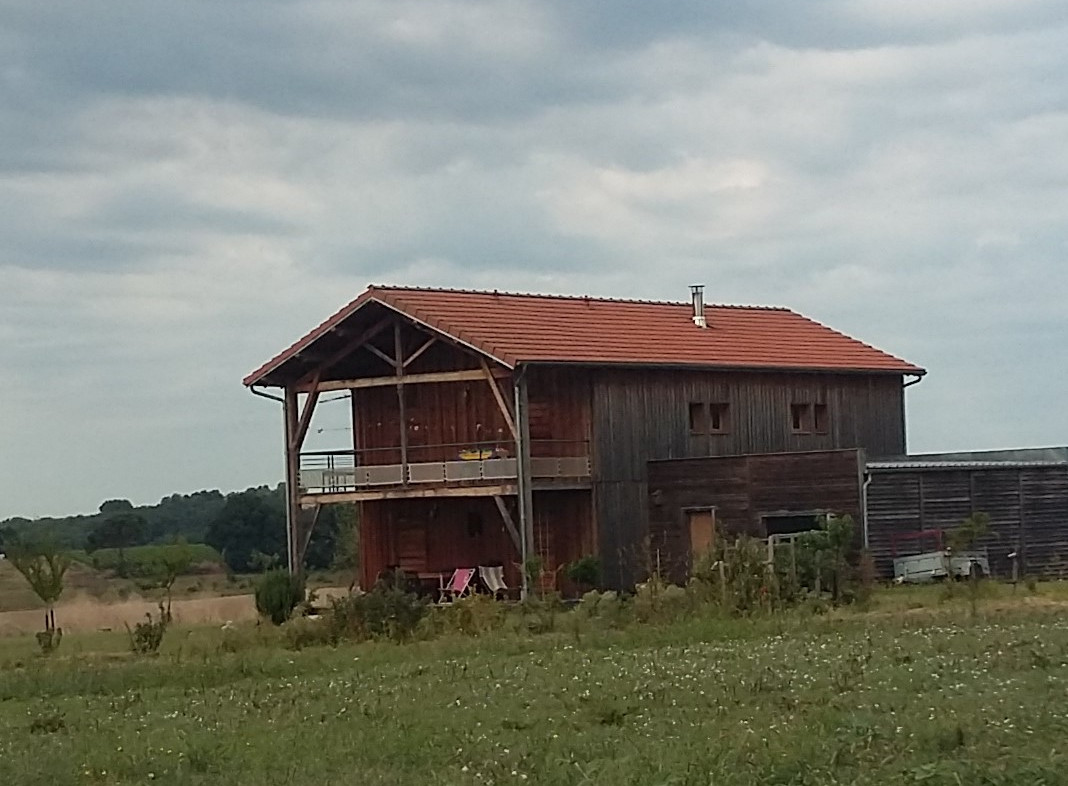
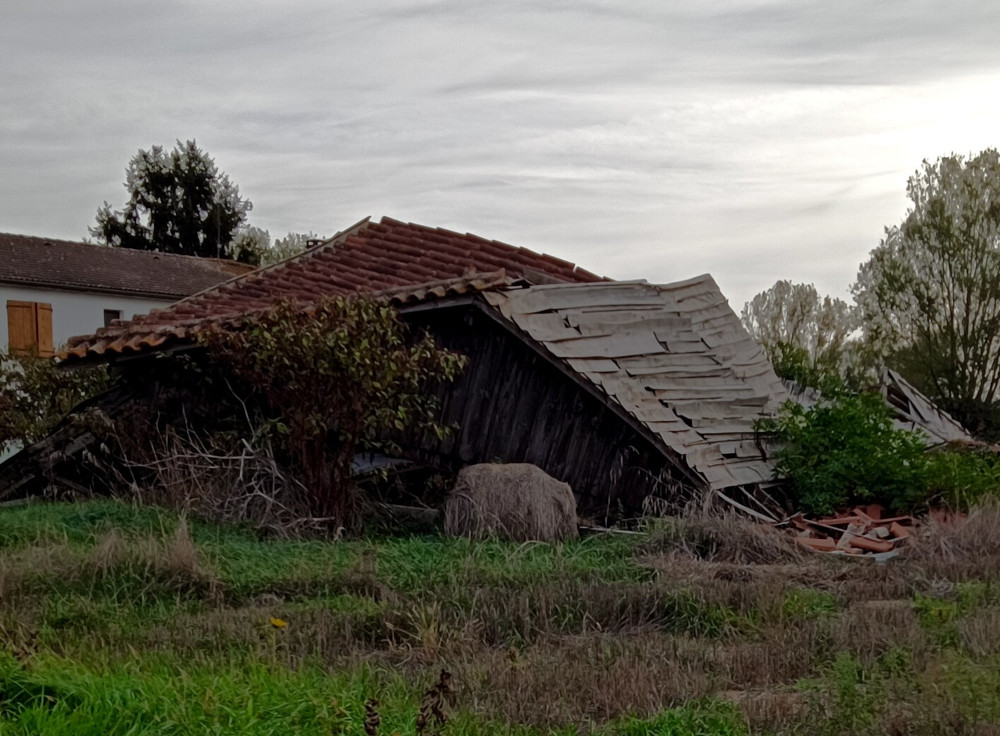
Today the culture of tobacco in Lot-et-Garonne has almost disappeared. The numerous drying sheds, so characteristic, are transformed little by little into residences or into shapeless vestiges...
2022. Tobacco dryer at “Le Metge”.
Two of the following images are taken from the article “De Clairac au Clérac, pour une histoire du tabac à Clairac” published in La Mémoire du fleuve n°61 of December 2017 (download below).